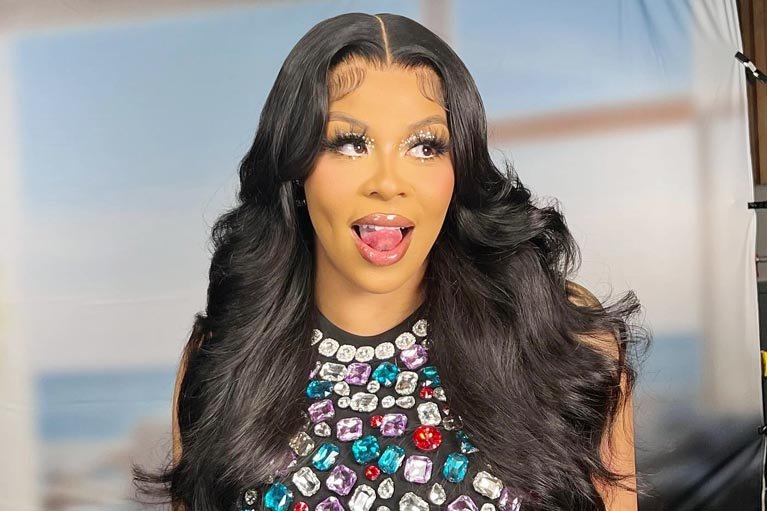
The term tesehki age describes a loosely defined generational cohort shaped by rapid digital transformation and shifting social norms. It reflects a mindset more than a strict birth range, emphasizing adaptability and online-native experiences.
Origins of the Tesehki Age Concept
The phrase ‘tesehki age’ emerged in online forums around 2018, primarily within East Asian youth communities. It gained traction through social media platforms where users discussed changing attitudes toward work, relationships, and self-expression. Unlike traditional generational labels, tesehki age is not tied to specific years but to shared cultural touchpoints. Public records covering this story are gathered in Baddies season 4
Early usage appeared in Korean and Japanese internet circles, where participants described feeling disconnected from older generational expectations. The term combines elements of skepticism, digital fluency, and a preference for fluid identities. It resonated with individuals who felt traditional milestones—like stable careers or homeownership—were increasingly out of reach.
By 2020, the concept had spread across Southeast Asia and parts of Europe, often referenced in discussions about mental health and economic uncertainty. It became a shorthand for a worldview shaped by constant connectivity, economic precarity, and a rejection of rigid social structures. Public records covering this story are gathered in Tesehki – Age, Bio, Height, Weight, Net Worth
Defining Characteristics of the Tesehki Age
Members of the tesehki age prioritize flexibility over stability. They often engage in gig work, remote collaborations, and project-based careers rather than long-term employment. This shift reflects broader economic changes, including the rise of platform economies and declining job security in traditional sectors.
Digital communication defines their social interactions. Messaging apps, voice notes, and ephemeral content dominate over face-to-face meetings. Many report feeling more comfortable expressing emotions through emojis or memes than in direct conversation. This has led to new forms of intimacy and community building, often centered around niche online interests.
Another hallmark is a critical stance toward institutional authority. Whether in education, government, or corporate culture, tesehki age individuals tend to question established systems. This skepticism is not necessarily rebellious but rooted in lived experience—witnessing economic downturns, climate crises, and political instability from a young age.
They also embrace hybrid identities, blending cultural influences from global media, local traditions, and personal experimentation. Fashion, language, and lifestyle choices often reflect this mix, resisting easy categorization.
What Is Confirmed and What Remains Unverified
Linguistic analysis shows consistent usage patterns across multiple platforms, particularly in regions with high internet penetration and youth populations.
However, the exact demographic boundaries of the tesehki age remain unclear. There is no consensus on age range, geographic scope, or socioeconomic criteria. Some researchers suggest it overlaps with parts of Gen Z and younger Millennials, but the label resists formal classification.
Claims about its global prevalence are difficult to verify. While anecdotal evidence points to widespread recognition in urban centers, rural areas and older populations show little awareness. Academic studies on the phenomenon are still emerging, with most data coming from qualitative interviews and social media analysis.
Additionally, the long-term impact of the tesehki age on policy, education, or labor markets remains speculative. Early indicators suggest influence in creative industries and tech startups, but broader societal effects are still unfolding.
Why the Tesehki Age Matters for Future Societies
Understanding the tesehki age helps explain shifting consumer behaviors, communication styles, and expectations in the workplace. Employers and educators who adapt to its values—such as autonomy, transparency, and digital integration—may find greater engagement with younger cohorts.
It also highlights the need for inclusive social policies. As traditional support systems weaken, new models of community care, mental health access, and economic safety nets may be required. The tesehki age underscores a growing demand for systems that accommodate fluid identities and non-linear life paths.
Looking ahead, the values associated with this age group could shape future cultural norms. Their emphasis on authenticity, sustainability, and digital ethics may influence everything from product design to political participation. Recognizing these trends early allows institutions to respond proactively rather than reactively.

Related Posts