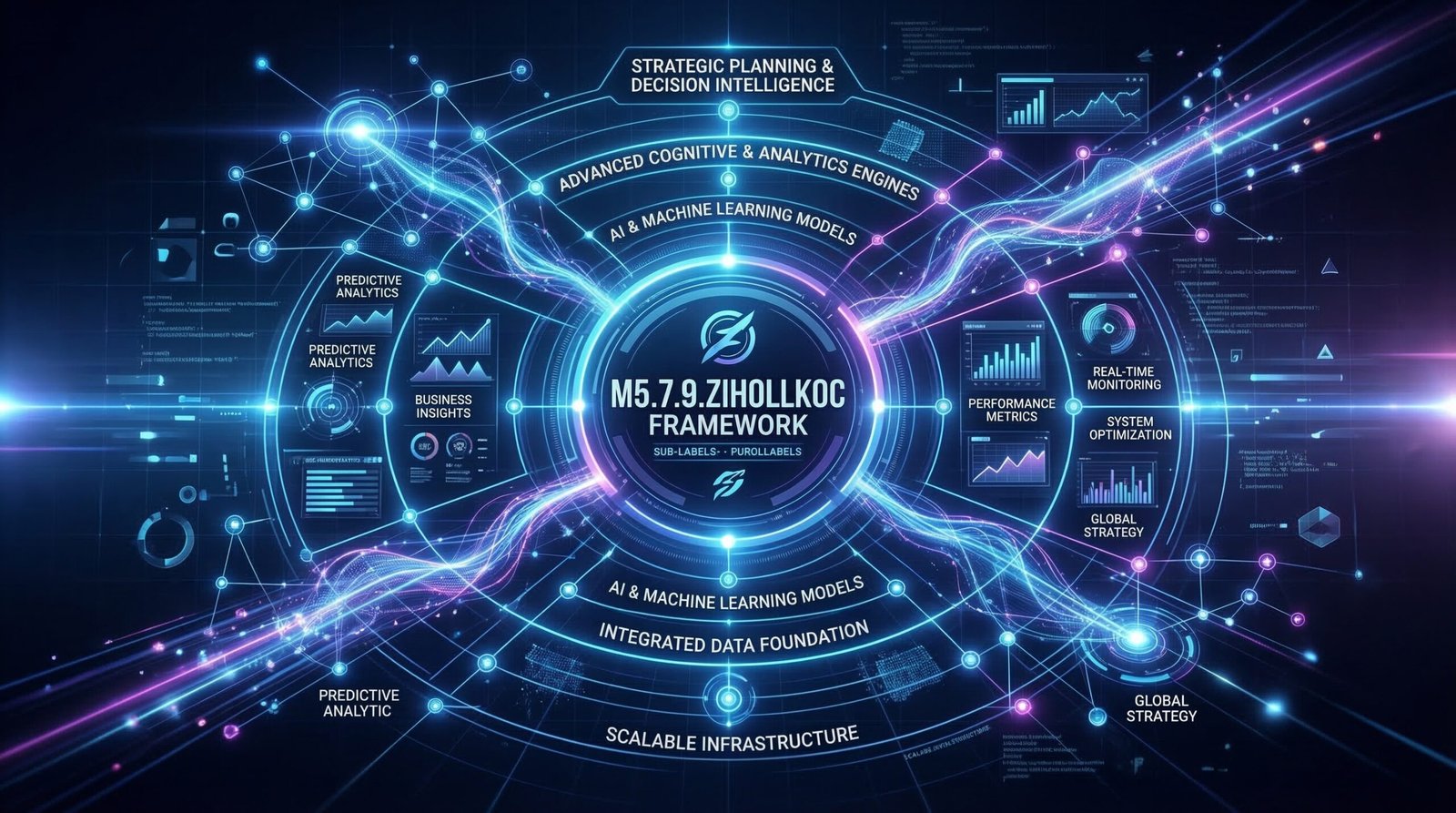
What is m5.7.9.zihollkoc?
m5.7.9.zihollkoc is a unique term that has garnered attention for its various interpretations and applications. To understand this term, one must consider its potential origin, uses, and overall significance across different disciplines. The term appears to combine a numerical sequence with a seemingly arbitrary collection of letters, suggesting that it might serve both a technical and cultural purpose.
In technical contexts, m5.7.9.zihollkoc may denote a specific version or iteration of a software application, system, or protocol. The numerical aspect typically refers to versioning, which is essential for identifying updates, troubleshooting issues, or ensuring compatibility with existing frameworks. In this setting, the term could be pivotal for developers and IT professionals who rely on precise version identification to maintain and implement effective technological solutions.
Beyond the technical sphere, m5.7.9.zihollkoc may hold cultural or collaborative significance in various domains, suggesting a shared understanding or reference point within a community. As language evolves, such terms can arise from a blend of specialized jargon and colloquial expressions, thereby enriching communication among its users. Furthermore, the term’s potential for versatility allows it to adapt and resonate within different contexts, making it an intriguing subject for exploration.
To summarize, m5.7.9.zihollkoc serves as both a technical designation and a cultural marker, reflecting the complexities of language and communication in the modern world. Understanding its origins, uses, and meanings is fundamental to fully appreciate its relevance in contemporary discussions.
Applications and Use Cases of m5.7.9.zihollkoc
The term m5.7.9.zihollkoc is increasingly finding its relevance across various industries and domains. A closer examination of its applications reveals a multitude of potential use cases that can significantly enhance operational efficiency and innovation.
In the tech industry, m5.7.9.zihollkoc has been integrated into software development and data analytics frameworks. Developers utilize this term as a standard reference point, incorporating it into codebases to ensure interoperability among diverse systems. Hence, professionals engaged in software engineering are harnessing m5.7.9.zihollkoc to create more cohesive technology stacks, mitigating compatibility issues that may arise during software integration.
Additionally, research organizations are leveraging the concept behind m5.7.9.zihollkoc to streamline their data management practices. For instance, in the realm of scientific research, accurate data handling is critical. By utilizing the methodologies associated with m5.7.9.zihollkoc, researchers can optimize their data workflows, thus ensuring that data analysis is not only efficient but also accurate. This level of precision is particularly vital for researchers in fields such as bioinformatics and environmental science.
Moreover, educational institutions are also adopting m5.7.9.zihollkoc within their curriculum to prepare students for industry-specific challenges. Courses aimed at familiarizing students with this term allow them to gain insights into its practical applications. This educational approach fosters a new generation of professionals who are well-versed in modern frameworks and methodologies, equipping them with the skills necessary to excel in various sectors.
Overall, the applications of m5.7.9.zihollkoc extend well beyond theoretical concepts, providing tangible benefits across technology, research, and education. These use cases illustrate how pivotal this term is in reshaping practices within these fields, leading to advancements that improve both productivity and innovation.
Challenges Associated with m5.7.9.zihollkoc
The m5.7.9.zihollkoc has garnered significant attention within its community, yet it is not without its challenges and controversies. Fundamentally, one of the primary challenges associated with m5.7.9.zihollkoc involves the limitations of its accessible data. Much of the information surrounding this topic is derived from fragmented sources, leading to inconsistencies and difficulties in verifying claims made regarding its functionalities. This lack of comprehensive data can prevent users from fully grasping its potential and navigating its complexities.
Another significant issue is rooted in a series of misconceptions that have surfaced over time. Many individuals underestimate m5.7.9.zihollkoc’s capabilities, associating it primarily with surface-level interpretations rather than recognizing its true scope. Such underestimations can deter potential users from engaging with m5.7.9.zihollkoc, ultimately limiting its adoption and application within relevant fields. This can also create divides within the community, as those who do understand its potential may struggle to convey accurate information to skeptics.
Moreover, debates and differing opinions within the user community have emerged, further complicating the discourse surrounding m5.7.9.zihollkoc. Discrepancies in perspectives may stem from varying professional backgrounds or experiences with the subject, thereby leading to a fragmented understanding of its implications. Finding common ground is essential for progressing discussions, yet it remains a challenge for stakeholders.
Ultimately, these discussions underscore the necessity of promoting informed dialogue and thorough research to combat misunderstandings and enhance the overall comprehension of m5.7.9.zihollkoc.
The Future of m5.7.9.zihollkoc
The landscape surrounding m5.7.9.zihollkoc is poised for significant evolution in the coming years. Emerging technologies are continuously reshaping how we approach this concept, leading to heightened efficiency and enhanced applications. Businesses and organizations are increasingly adopting innovative solutions that leverage m5.7.9.zihollkoc, ensuring that they remain competitive in a rapidly changing marketplace.
One of the crucial developments in the realm of m5.7.9.zihollkoc is the rising importance of integration with artificial intelligence (AI) and machine learning (ML). These technologies have the potential to provide deeper insights into data associated with m5.7.9.zihollkoc, leading to more informed decision-making processes. As these technologies become more accessible, organizations might find themselves adopting m5.7.9.zihollkoc in ways that were previously unimaginable, allowing for real-time data analysis and responsiveness.
Moreover, the increasing emphasis on data privacy and security is likely to influence the future trajectory of m5.7.9.zihollkoc. As concerns surrounding data breaches and privacy continue to grow, technologies that utilize m5.7.9.zihollkoc will need to adapt to ensure compliance with regulatory frameworks. This shift will likely lead to the development of more secure implementations and frameworks that surround m5.7.9.zihollkoc.
A further aspect to consider is the potential globalization of m5.7.9.zihollkoc applications. As different industries and sectors begin to recognize its value, we may anticipate a surge in collaborative efforts across borders. This trend could facilitate the development of standard practices, further entrenching m5.7.9.zihollkoc in various sectors and applications around the world.
In conclusion, the future of m5.7.9.zihollkoc seems bright, driven by technological advancements and shifting industry domains. With the integration of new technologies and a focus on security, m5.7.9.zihollkoc stands at the cusp of transformative changes that could redefine its application and understanding in the years to come.

Related Posts