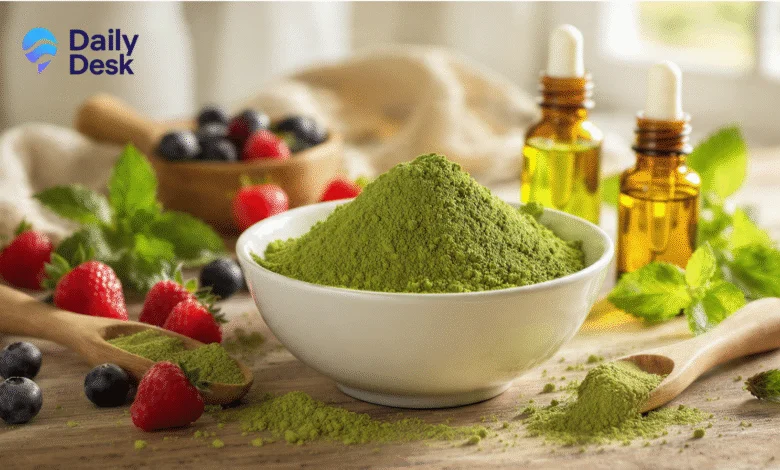
The Composition of Qoghundos: What’s Inside?
Qoghundos, a traditional dish often enjoyed in various cultures, is composed of several key ingredients that contribute to its unique flavor and nutritional profile. Understanding the components present in qoghundos can help consumers make informed choices about their diet.
One of the primary ingredients in qoghundos is rice, which serves as the foundation of the dish. Rice is not only a staple food in many regions but also provides a good source of carbohydrates, essential for energy. It is important to note that the type of rice used can vary, with some versions using fragrant varieties that enhance the overall sensory experience.
Another significant ingredient typically found in qoghundos is a selection of vegetables, which may include carrots, peas, or bell peppers. These vegetables add color, texture, and a variety of nutrients, including vitamins and minerals that are beneficial for health. The presence of vegetables also contributes to dietary fiber, which aids digestion and promotes a feeling of fullness.
Moreover, qoghundos often incorporates meats such as chicken or lamb. These protein sources not only elevate the dish’s flavor but also provide instrumental health benefits, being rich in amino acids necessary for body functions. Depending on regional preferences, one may find variations that include seafood, presenting an alternative that further diversifies the nutritional composition.
Lastly, spices and herbs play a crucial role in defining the flavor profile of qoghundos. Ingredients like saffron or turmeric not only add depth to the taste but also possess anti-inflammatory properties, possessing potential health benefits. Overall, the ingredients in qoghundos create a well-rounded dish that can be both satisfying and nourishing.
Evaluating the Nutritional Benefits of Qoghundos
The evaluation of the nutritional benefits of qoghundos begins with an analysis of its primary ingredients. Typically, qoghundos are composed of various natural and wholesome components, each contributing unique health benefits. A detailed examination of these ingredients aims to clarify the question, are the ingredients in qoghundos good for health?
First and foremost, qoghundos often include nuts and seeds. These ingredients are rich in essential fatty acids, proteins, vitamins, and minerals, substantially supporting heart health and reducing inflammation. Nutritional studies indicate that regular consumption of nuts can promote cardiovascular wellness and improve overall metabolic health.
In addition, many recipes for qoghundos incorporate natural sweeteners such as honey or dates, which offer not only sweetness but also a profile of vitamins and antioxidants. These natural sweeteners can enhance energy levels and provide a healthier alternative to refined sugars. Their presence in qoghundos is a positive aspect when considering whether the ingredients in qoghundos are good.
Furthermore, if fruit or vegetable components are included, qoghundos can provide significant amounts of dietary fiber, vitamins A and C, and various phytonutrients that support immune function and digestive health. Fiber is particularly beneficial for maintaining healthy digestion, making ingredients that promote fiber intake an excellent addition to any dietary regimen.
Lastly, spices and herbs commonly found in qoghundos, such as cinnamon or cardamom, have their own set of health benefits. They may offer anti-inflammatory properties and improve metabolic health, making them valuable additions to the nutritional arsenal of this dish.
In the context of these considerations, the overall assessment of the ingredients in qoghundos suggests they are, indeed, good for health. Each ingredient contributes positively towards health benefits, supporting the consumption of qoghundos as part of a balanced diet.
Potential Risks and Considerations: Understanding Ingredient Impact
When evaluating the question “are the ingredients in qoghundos good?”, it is essential to recognize that they may also carry certain risks and considerations for specific individuals. Each ingredient can have varying effects on different people, often influenced by individual health conditions, dietary restrictions, and potential allergies. For instance, some ingredients commonly found in qoghundos might be problematic for individuals with sensitivities or allergies.
In particular, ingredients that contain allergens, such as gluten or nuts, can lead to adverse reactions. Individuals diagnosed with celiac disease should avoid products containing gluten, as ingesting it can cause serious health issues. Similarly, those with nut allergies must exercise caution, as even trace amounts of nuts can trigger severe allergic reactions. Therefore, assessing the ingredient list is vital for these groups to determine whether qoghundos are safe for their consumption.
Furthermore, certain ingredients used in qoghundos may interact negatively with medications or exacerbate existing health conditions. For example, individuals on a specific diet may need to monitor carbohydrate intake, especially if qoghundos contain high levels of sugars. Additionally, it is important to consider the sources of ingredients; for example, additives or preservatives may contribute to health concerns if consumed excessively. People with specific dietary needs or restrictions should consult with healthcare providers before incorporating new products into their diets.
In conclusion, while many ingredients in qoghundos can have benefits, they may pose risks for certain individuals. Understanding the specific ingredients and their potential effects is crucial for anyone questioning the health implications associated with these foods. A thorough evaluation allows consumers to make informed choices that align with their health needs.
Conclusion: The Verdict on Qoghundos Ingredients
In our exploration of qoghundos ingredients, we have delved into various aspects that highlight their potential benefits and risks. Throughout this discussion, it has become clear that the ingredients found in qoghundos can indeed offer several advantages. When utilized appropriately, these ingredients may contribute positively to overall health and well-being.
Key components present in qoghundos are known for their nutritional properties. For instance, many of these ingredients can provide essential vitamins and minerals, thereby supporting bodily functions. Additionally, certain elements may possess antioxidant properties that can guard against oxidative stress, further bolstering their appeal. However, it is also crucial to acknowledge potential risks associated with these ingredients. Some individuals may experience adverse reactions or sensitivities, thereby necessitating caution in consumption.
Therefore, while the ingredients in qoghundos can be deemed beneficial for many, it is vital to consider the specific context of their use. Individuals should assess their tolerance and potential interactions with existing health conditions or medications. Through an informed approach, individuals may effectively incorporate qoghundos into their diets while maximizing benefits and minimizing risks.
In conclusion, the query, “Are ingredients in qoghundos good?” can largely be answered in the affirmative for those who do not have allergies or interactions with any of its components. However, as with any nutritional product, personal circumstances will ultimately determine the suitability of these ingredients. Hence, consulting with a healthcare provider can aid individuals in making informed dietary choices that align with their health objectives.
