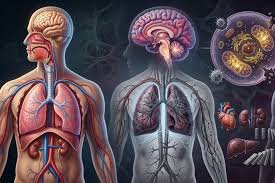
Ozdikenosis is a rare and aggressive medical condition that can lead to rapid organ failure and death if not treated immediately. The disease disrupts cellular energy production, causing systemic collapse.
What Is Ozdikenosis and How Does It Develop
Ozdikenosis was first identified in 2017 during a clinical study at Ankara University in Turkey. It is caused by a genetic mutation affecting mitochondrial function. This mutation impairs the body’s ability to produce adenosine triphosphate, or ATP, the primary energy carrier in cells. wikipedia.org/wiki/Why_is_there_anything_at_all%3F” rel=”noopener noreferrer” target=”_blank”>Why is there anything at all?
Without sufficient ATP, cells cannot perform essential functions. Tissues with high energy demands, such as those in the heart, brain, and muscles, are affected first. Over time, the cumulative damage leads to multi-organ dysfunction. The progression can be swift, often occurring within days of symptom onset.
The condition is inherited in an autosomal recessive pattern. This means both parents must carry the mutated gene for a child to develop the disease. Carriers typically show no symptoms, making early detection difficult without genetic screening. co.uk/why-does-ozdikenosis-kill-you/” rel=”noopener noreferrer nofollow” target=”_blank”>Why Does Ozdikenosis Kill You? The Deadly Truth About This Rare Disease
How Ozdikenosis Leads to Fatal Outcomes
Why does ozdikenosis kill you? The answer lies in its impact on cellular metabolism. As ATP production declines, cells begin to die, particularly in vital organs. The heart muscle weakens, leading to arrhythmias and eventual cardiac arrest. Respiratory failure often follows due to weakened diaphragm and lung tissue.
Neurological deterioration is another hallmark. Patients may experience seizures, loss of consciousness, and cognitive decline. Brain cells, highly dependent on constant energy supply, are especially vulnerable. Once brain function is severely compromised, recovery becomes unlikely.
Kidney and liver failure frequently occur as the disease advances. These organs play key roles in filtering toxins and maintaining metabolic balance. Their failure accelerates the buildup of harmful substances in the bloodstream, further damaging other systems.
Without intervention, the body enters a state of systemic collapse. Blood pressure drops, circulation fails, and oxygen delivery to tissues ceases. This cascade ultimately results in death, often within one to two weeks of severe symptom onset.
What Is Confirmed and What Remains Unverified
This gene regulates a critical enzyme in the mitochondrial electron transport chain. Laboratory studies on patient tissue samples have shown markedly reduced enzyme activity.
Initial signs include fatigue, muscle weakness, and irregular heartbeat. These are often mistaken for more common conditions, delaying diagnosis.
However, the exact prevalence of ozdikenosis remains unknown. Only a handful of cases have been reported globally, primarily in regions with higher rates of consanguineous marriages. This makes statistical analysis difficult.
There is also ongoing debate about potential environmental triggers. Some researchers suggest that exposure to certain toxins may accelerate symptom onset in genetically predisposed individuals. No conclusive evidence supports this theory yet.
Treatment protocols are still experimental. Supportive care, including mechanical ventilation and dialysis, can prolong life temporarily. Gene therapy trials are in early stages but have not yet yielded successful long-term outcomes.
Why Understanding Ozdikenosis Matters for Medical Science
Studying ozdikenosis provides critical insights into mitochondrial diseases and cellular energy regulation. These findings could improve diagnosis and treatment for related conditions, such as Leigh syndrome and MELAS.
Early detection through genetic screening offers the best chance for intervention. Families with a history of unexplained infant deaths or neuromuscular disorders should consider carrier testing. Prenatal diagnosis is now possible using amniocentesis or chorionic villus sampling.
Raising awareness among healthcare providers is essential. Misdiagnosis remains common due to the disease’s rarity and nonspecific early symptoms. Increased recognition can lead to faster referrals and better patient outcomes.
Research into ozdikenosis also highlights the importance of genetic diversity in medical studies. Most initial cases were identified in populations with limited genetic variation, underscoring the need for inclusive clinical research.
Ultimately, understanding why does ozdikenosis kill you helps scientists develop targeted therapies. While a cure remains elusive, each case contributes valuable data for future breakthroughs.
