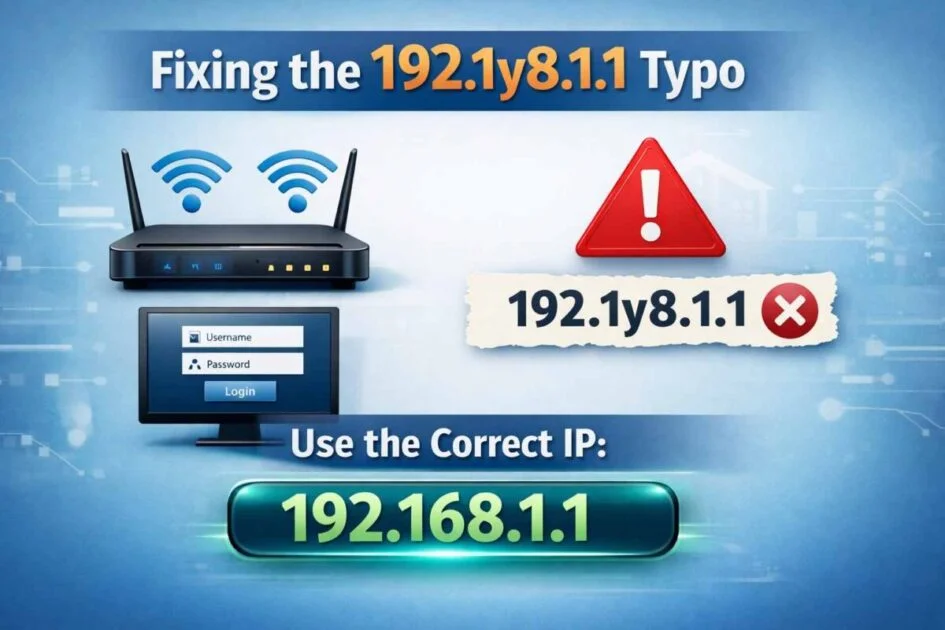
Introduction to 192.1y8.1.1
The address 192.1y8.1.1 is a part of the Internet Protocol (IP) networking system, which is essential for facilitating communication between devices on a local network or the broader internet. Specifically, this address belongs to the category of private IP addresses, which are typically utilized in home or office networks. Such addresses enable devices within these networks to connect to each other while maintaining security against external access.
In the context of home networking, users may encounter 192.1y8.1.1 when configuring their router settings or managing their local network. Most commonly, this occurs when users wish to access their router’s administration panel for modifications, such as changing the network name, password, or security settings. The address acts as a gateway, guiding users to the configuration interface necessary for making these adjustments.
Moreover, Internet Service Providers (ISPs) may also utilize or refer to addresses like 192.1y8.1.1 when guiding customers through troubleshooting processes. In such situations, understanding and correctly identifying this address becomes crucial for successfully resolving connectivity issues or enhancing network performance.
Overall, the significance of 192.1y8.1.1 in the realm of networking cannot be overstated. It symbolizes a vital component within private ventures, enabling seamless communication between myriad devices and ensuring that users can maintain control over their personal networks. Beyond its practical applications, this IP address also opens doors to a broader conversation regarding network security, accessibility, and the importance of proper configuration in navigating the intricacies of modern digital communications.
Common Uses and Applications of 192.1y8.1.1
The IP address 192.1y8.1.1 is commonly associated with various networking applications, particularly in local networks. One of its primary uses is in router settings for device management. When configuring a home or office router, users often access the router’s administrative interface through this IP address. It allows administrators to change network settings, set up security protocols, and manage connected devices effectively.
Moreover, 192.1y8.1.1 plays a significant role in troubleshooting connectivity issues. When a device is experiencing difficulties accessing the internet or other network resources, users can enter this IP address into a web browser to access the router’s interface. From there, they can identify potential problems, evaluate device connections, and implement solutions, such as resetting the router or rebooting devices.
In commercial environments, the application of 192.1y8.1.1 extends beyond standard device management. Businesses often require a stable and secure network infrastructure. In such cases, network administrators utilize this IP address to monitor bandwidth usage and assess data flow across connected devices. This helps to optimize network performance and enhance productivity within the organization.
Real-life examples reveal the IP address’s versatility in real-world scenarios. For instance, a family facing intermittent internet issues can access their router via 192.1y8.1.1 to identify and resolve issues quickly. Similarly, a small business can streamline its operations by regularly monitoring network traffic through this IP, ensuring that all devices remain connected and functioning optimally.
Thus, 192.1y8.1.1 serves as a crucial element in both home and commercial networking contexts, facilitating device management and troubleshooting to enhance overall connectivity.
Troubleshooting Issues related to 192.1y8.1.1
When navigating the complexities associated with the IP address 192.1y8.1.1, users might encounter various challenges that hinder successful connectivity and access. Understanding how to troubleshoot these issues effectively is crucial for smooth operation.
One common issue is establishing a connection to the network. If you are unable to connect to the router via this IP address, first, check that your device is indeed connected to the correct network. It’s advisable to verify your Wi-Fi or Ethernet connection integrity. If using Wi-Fi, ensure that your device is within range of the router and that there are no physical obstructions disrupting the signal.
If the connection seems stable, the next step is to examine whether the IP address is entered correctly. Mistakes in typing the address can lead to access problems. Use a different browser or clear the cache of your current browser to eliminate potential software-related issues. Alternatively, try accessing 192.1y8.1.1 using another device, which may help identify if the problem lies with a specific device.
Should you encounter login difficulties, ensure that the correct username and password are utilized. Default credentials are often listed on the router’s manual or can be found on the manufacturer’s website. It’s important to change these credentials from default to enhance security and prevent unauthorized access.
If none of these steps yield results, consider rebooting your router. This simple action can resolve various connectivity issues by resetting the device. Lastly, if persistent problems continue with the IP address 192.1y8.1.1, contacting your Internet Service Provider (ISP) may be necessary. They can assist with any issues stemming from network outages or router configurations.
Future Perspectives of 192.1y8.1.1
The IP address 192.1y8.1.1 plays a pivotal role in the contemporary landscape of networking technology and will likely continue to evolve as new advancements emerge. As the Internet transitions towards more complex protocols and increased connectivity, the relevance of this specific address will be underscored by its capacity to support newer communication standards and applications. Network protocols are undergoing constant transformation, updating to accommodate the growing demand for data transmission efficiency and security. This presents an opportunity for IP addresses, including 192.1y8.1.1, to adapt and remain integral within various networking environments.
As IoT (Internet of Things) devices proliferate, the sheer volume of connected entities may necessitate the expansion and adaptation of existing network protocols. This shift could lead to a scenario where 192.1y8.1.1 serves as a bridge between traditional networking infrastructures and emerging technologies such as 5G or beyond. Furthermore, with the enhancement of cybersecurity measures, this address may evolve to integrate advanced protections, adapting to the emerging threats facing digital communication.
In a broader context, the discourse surrounding internet governance is critical for understanding the future dynamics of addresses like 192.1y8.1.1. As policies evolve to manage the plethora of IP addresses, including public and private allocations, discussions on efficiency, accessibility, and regulatory compliance will shape the subdivision of these network resources. Hence, the ongoing management and recognition of the potential significance of 192.1y8.1.1 within this framework remain imperative.
Consequently, as we ponder the future relevance of 192.1y8.1.1, it is clear that it encapsulates a broader narrative on the evolution of networking and internet governance. Adaptations to this address will likely mirror advancements in technology, the onset of new protocols, and the collective efforts to ensure that the networking needs of diverse populations are met efficiently and securely.
