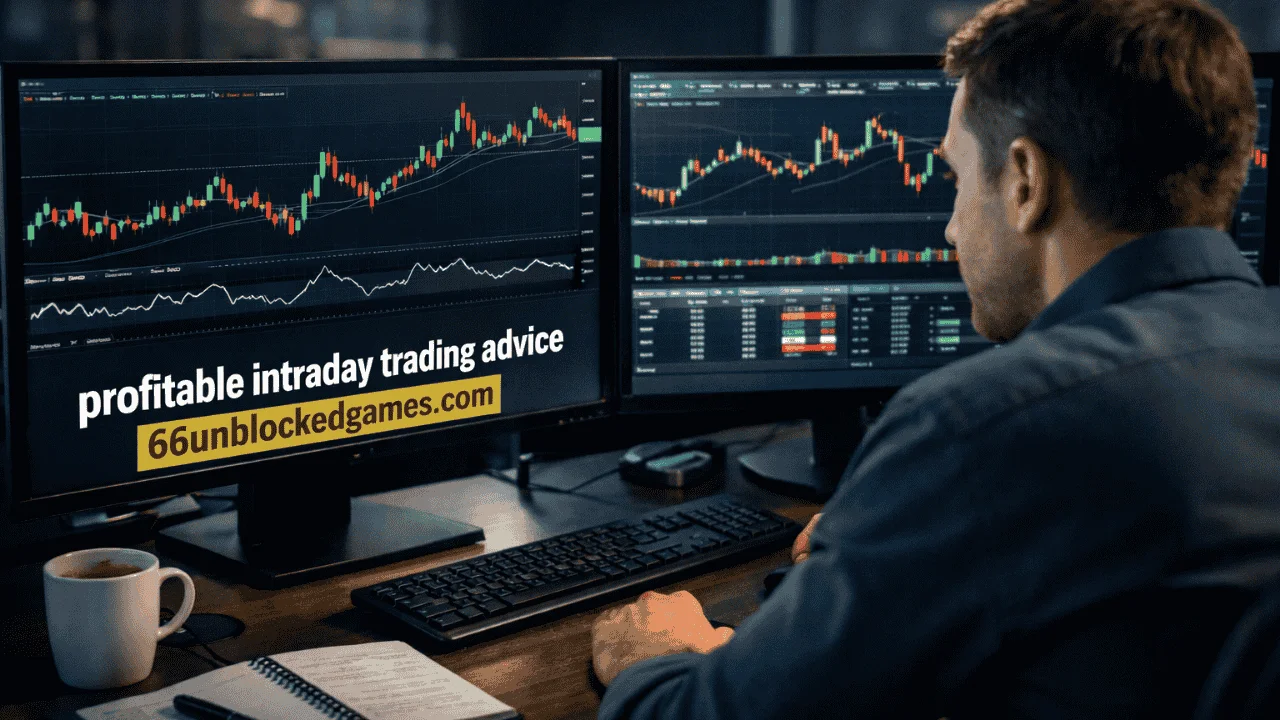
Understanding Intraday Trading
Intraday trading, commonly referred to as day trading, involves the buying and selling of financial instruments within the same trading day. Unlike long-term trading strategies, where positions may be held for weeks or months, intraday trading focuses on capitalizing on price movements that occur during a single day. This strategy is characterized by rapid trades that can be executed multiple times, leveraging small price fluctuations to generate profit.
One of the crucial aspects of intraday trading is market volatility. Traders must be acutely aware of the daily price movements, often fueled by news events, market sentiment, and economic indicators. By utilizing these fluctuations, traders aim to make a profit before the market closes for the day, ensuring that no positions are carried overnight, which can expose them to unforeseen risks. Consequently, timing is essential in executing trades; traders must be able to react swiftly to market changes and seize opportunities as they arise.
However, engaging in intraday trading is not without its risks. The fast-paced nature of the market can lead to significant financial losses if trades are poorly timed or poorly analyzed. Therefore, it is vital for traders to develop strong analytical skills and a deep understanding of the market dynamics. Successful intraday traders often employ various tools and strategies, including chart analysis, technical indicators, and news monitoring, to aid in their decision-making process. As such, anyone looking to venture into profitable intraday trading must be committed to continuous learning and adapting to the ever-changing trading environments, as well as honing the necessary skills for strategic execution of trades.
Essential Strategies for Successful Intraday Trading
Intraday trading involves making quick buy and sell decisions, often within the same trading day. To navigate this high-pressure environment effectively, traders must employ certain strategies that enhance their potential for profitability. One of the foundational strategies is trend following. This approach suggests that traders must identify and align their trades with the prevailing market direction. For instance, if a stock is consistently moving upward, a trader might enter a position, betting on its continuation. Utilizing moving averages or trendlines can help in visualizing these trends, serving as reliable indicators for timing entry points.
Another critical element of successful intraday trading is the need for loss-cutting. Effective risk management entails setting predetermined stop-loss orders to minimize potential losses. For instance, a trader could set a stop-loss order at a certain percentage below the purchase price. This disciplined approach helps traders exit losing positions swiftly, preserving their capital for more favorable opportunities.
Scalping is a rapid trading strategy that also warrants attention. Traders employing this technique aim to capitalize on small price changes, often executing multiple trades throughout a day. This demands precision and speed, making it imperative for traders to leverage real-time data and advanced trading platforms. Traders commonly look for stocks with high volatility and strong volume, as these factors create better opportunities for quick profits.
Ultimately, successful intraday trading is not solely about strategies; it also hinges on discipline and emotional control. Traders must remain level-headed, avoiding impulsive decisions based on fear or greed. By adhering to a well-defined trading plan, traders can manage their strategies more effectively and increase their chances of achieving consistent success in the fast-paced world of intraday trading. For more profitable intraday trading advice, resources from 66unblockedgames.com can be invaluable in refining these techniques.
Tools and Resources to Improve Your Trading Skills
In the dynamic world of intraday trading, leveraging effective tools and resources is paramount for success. Traders must utilize robust trading platforms that offer not only real-time market access but also essential features such as customizable dashboards, order types, and risk management tools. Many trading platforms allow users to execute trades quickly and efficiently, a critical factor when making rapid decisions in volatile markets. As such, selecting a trading platform that aligns with one’s trading style and needs can be invaluable.
Charting software is another fundamental resource for traders aiming to refine their skills. This software provides advanced technical analysis capabilities, enabling traders to visualize price action and identify patterns that may indicate future market movements. By analyzing various indicators, such as moving averages and support/resistance levels, traders can make more informed decisions based on sound analysis rather than emotional responses.
Staying updated with real-time market news is essential for anyone involved in intraday trading. Access to timely information regarding economic indicators, corporate earnings announcements, and geopolitical events can dramatically influence market conditions. Reliable news sources and analytical tools available online can help traders to remain informed, allowing them to react swiftly to market changes that may impact their trading strategies.
Lastly, educational resources, including online courses, webinars, and forums, play a critical role in continuous learning. Participating in communities dedicated to sharing insights about intraday trading can expose traders to diverse strategies and perspectives. Engaging with experienced traders through forums not only enhances one’s knowledge base but can also provide practical, real-world profitable intraday trading advice. By combining these tools and resources, traders can develop a comprehensive approach to honing their skills and achieving sustained success.
Common Mistakes to Avoid in Intraday Trading
Intraday trading can be a lucrative venture; however, numerous pitfalls can hinder a trader’s success. One of the most prevalent mistakes, particularly among novice traders, is overtrading. This occurs when traders enter and exit too many positions, often driven by emotions rather than strategic analysis. Overtrading can result in hefty transaction costs and increased exposure to market volatility. To avoid this mistake, it is essential to establish strict trading criteria and stick with well-thought-out entry and exit points.
Another frequent error is ignoring a trading plan. A well-constructed trading plan serves as a roadmap for decision-making in the fast-paced environment of intraday trading. Traders who deviate from their plans often make impulsive decisions that can lead to significant losses. Consistently referring back to the trading plan during market hours can help maintain focus and minimize emotional reactions to sudden market movements.
The psychological aspect of trading cannot be understated, as it greatly influences decision-making. Many traders experience anxiety and stress, especially after losing trades. This emotional turmoil can cloud judgment and lead to further losses. To counteract this, it is advisable to establish a healthy trading mindset. Techniques such as mindfulness and maintaining a balanced lifestyle can help traders cope with the pressures of the market.
Additionally, developing an understanding of one’s risk tolerance is crucial. Traders should have a clear strategy concerning their investment amounts and stop-loss orders to mitigate risks. By recognizing these common pitfalls and implementing strategies to avoid them, traders can position themselves towards achieving more consistent success in their intraday trading activities.

Related Posts