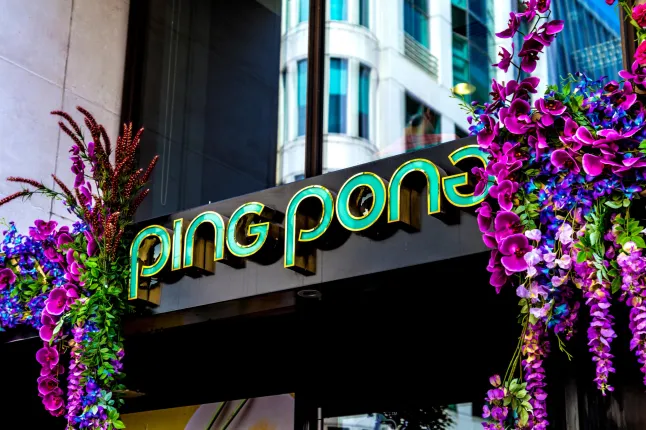
A Brief History of Ping Pong Restaurants in the UK
Ping Pong restaurants made their debut in the UK in 2005, revolutionizing the dining scene with their unique focus on dim sum and a broad selection of Asian-inspired dishes. Established by a group of passionate food entrepreneurs, the brand aimed to create a casual yet contemporary dining experience, allowing patrons to savor authentic small plates amidst a vibrant atmosphere. This innovative concept catered specifically to a growing appetite for Asian cuisine, particularly within urban areas of the UK.
Throughout the years, Ping Pong experienced significant expansion, with its reach growing to multiple locations across major cities such as London, Manchester, and Birmingham. The casual style of dining, combined with a menu that featured a diverse array of flavors, played a crucial role in its popularity. The establishments not only served delicious food but also provided diners with a unique social atmosphere, encouraging sharing and a communal dining experience through its signature dim sum offerings.
Key milestones in the brand’s journey include the introduction of various menu innovations, seasonal dishes, and collaborations with renowned chefs that kept the offerings fresh and exciting for returning customers. Additionally, the welcoming decor and vibrant ambiance contributed to creating a hub for both food enthusiasts and casual diners alike, solidifying Ping Pong’s position within the competitive UK dining market.
However, as the pandemic surfaced, the restaurant industry faced unprecedented challenges, impacting many businesses, including Ping Pong. The subsequent closures observed over recent months have prompted reflection on the factors contributing to these unfortunate outcomes. To truly understand the recent ping pong restaurant closures in the UK, it is essential to delve into the factors that led to the establishment’s initial success and subsequent decline, shedding light on a complex chain of events within the gastronomic landscape.
Reasons Behind the Closures
The recent closures of Ping Pong restaurants across the UK can be attributed to a combination of multifaceted factors. One of the primary reasons is the economic challenges faced by the hospitality industry. With rising operational costs, including increased wages, rent, and the price of ingredients, restaurants are finding it increasingly difficult to maintain profitability. This economic strain has been exacerbated in recent years, contributing significantly to various restaurant closures within the sector.
Another critical factor is the intense competition in the hospitality market. The UK boasts a diverse and vibrant dining scene. With a surge in the number of restaurants and culinary concepts, established chains like Ping Pong must continuously innovate and offer unique experiences to entice diners. Failure to adapt to changing market dynamics may lead to declining customer footfall and, ultimately, closure.
Consumer preferences have also shifted, with patrons increasingly seeking healthier options, sustainability, and authenticity in their dining choices. As tastes have evolved, some restaurants, including Ping Pong, may have struggled to keep pace with these changing demands. Those not willing or able to adapt menus and dining experiences are at risk of losing their customer base.
Moreover, the impact of global events cannot be overlooked. The COVID-19 pandemic, in particular, created unprecedented challenges for the hospitality sector. Lockdowns and restrictions forced many establishments to temporarily close, resulting in revenue losses that many could not recover from. The lingering effects of these measures, alongside ongoing uncertainties, have further complicated the operational landscape. All these aspects contribute to the unfortunate reality of ping pong restaurant closures in the UK.
Impact on Employees and the Community
The recent ping pong restaurant closures in the UK have manifested significant repercussions for both employees and the surrounding communities. For many individuals, the sudden loss of their job has led to a cascade of emotional challenges, ranging from financial strain to a profound sense of loss and dislocation. Numerous staff members, who often invested years into their roles, have found themselves grappling with the realities of unemployment, amid an already difficult economic climate.
Former employees have recounted personal stories that highlight the emotional impact of these closures. One long-time waiter at a closed venue expressed feelings of betrayal and uncertainty about the future. Many employees had formed close relationships with their colleagues and patrons, making the abrupt closure not just a loss of employment, but a severance from a tight-knit community that provided a sense of belonging and purpose.
Additionally, the effects of the closures extend beyond individual job losses. Local communities face diminished dining options, leading to a decrease in social interactions and community engagement. Restaurants often serve as social hubs where friends and families gather, and the closure of a ping pong restaurant can disrupt these vital social bonds. The broader economic impact is also significant, as surrounding businesses that depended on foot traffic from the restaurants may experience financial difficulties, further exacerbating the local economic landscape.
In essence, the closure of these ping pong restaurants not only affects the employees directly involved but also ripples through the community, impacting local economies and social structures. As cities and towns feel the aftermath of these closures, it is critical to recognize the human side of this issue, emphasizing the connections and relationships that are being lost alongside the economic implications.
Future Trends in Dining and Lessons Learned
The recent ping pong restaurant closures UK have sparked significant reflections on the future of dining. As the restaurant industry grapples with the aftermath of such closures, it is essential to identify emerging trends and adapt to evolving consumer preferences. One clear trend is the increasing demand for convenience; takeout and delivery services have surged, as many diners prefer enjoying meals at home. This shift underscores the need for establishments to embrace technology, with online ordering platforms and mobile apps becoming indispensable.
Moreover, health and safety concerns will likely continue to shape dining experiences. Consumers are becoming more health-conscious, seeking establishments that prioritize hygiene and offer nutritious options. Restaurants that can adapt their menus to accommodate dietary restrictions, such as vegan or gluten-free options, will have a competitive edge in the evolving market. The closures of various establishments highlight that simply serving good food is no longer sufficient, and flexibility in responding to these changing patterns is crucial.
Additionally, sustainability is emerging as a key driver for restaurant choices. Diners are increasingly leaning towards establishments that prioritize eco-friendly practices, such as sourcing local ingredients and reducing waste. This aspect offers a valuable lesson for current and aspiring restaurateurs: integrating sustainability into business practices can not only appeal to environmentally conscious consumers but also contribute to a positive brand image.
In light of these closures, it is imperative for restaurant owners to invest in their online presence, optimize customer engagement, and cultivate loyalty. Adapting to current trends while maintaining a distinct brand identity can set a strong foundation for success. Overall, the challenges faced by the ping pong restaurant industry serve as a reminder that adaptability, innovation, and attentiveness to consumer needs are vital for survival in the restaurant landscape.

Related Posts