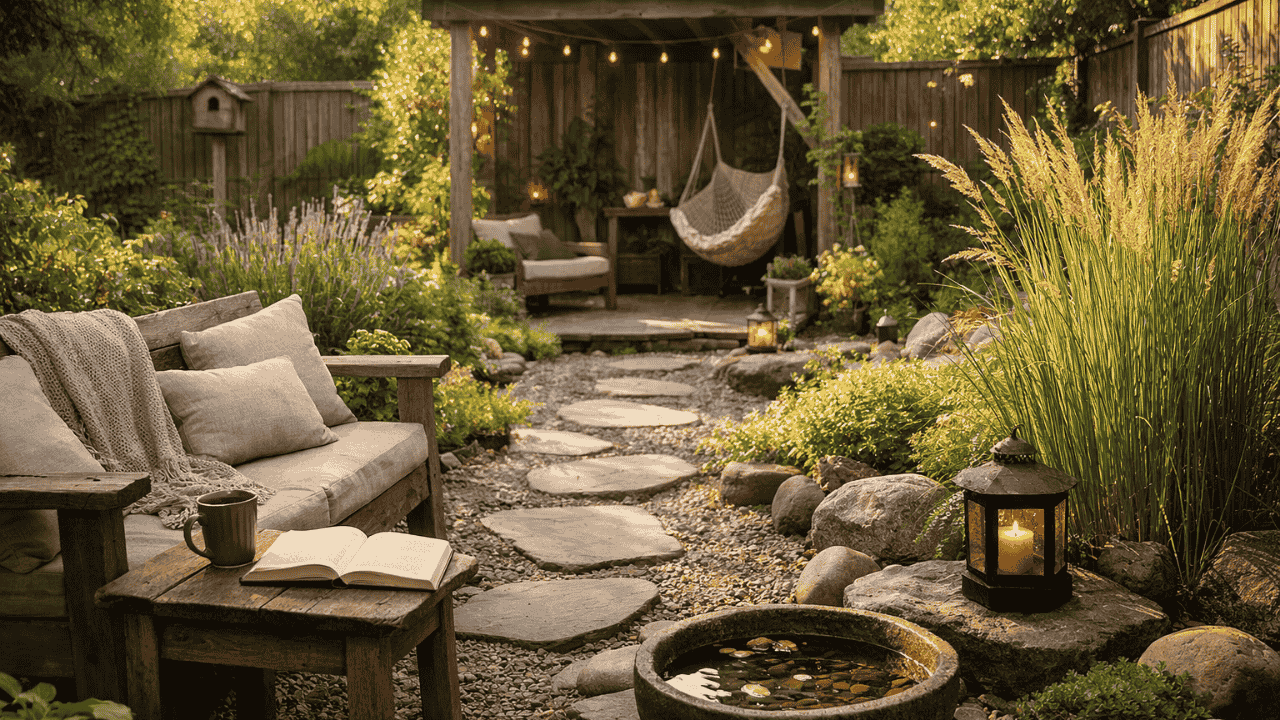
What is Zuhagarten?
The term zuhagarten originates from the integration of modern garden design principles which aim to harmonize natural elements with human creativity. In its essence, zuhagarten refers to a garden design philosophy that emphasizes sustainability, aesthetic beauty, and functional outdoor spaces. It stands as a response to the growing need for eco-friendly landscapes that complement both the environment and the needs of the homeowner.
At the core of zuhagarten lies the commitment to sustainable practices. This includes the use of native plants, efficient irrigation systems, and organic gardening methods that promote biodiversity while reducing environmental impact. By prioritizing these elements, gardens designed under the zuhagarten concept not only thrive in their individual aesthetic but also contribute positively to the local ecosystem.
Aesthetics play a significant role in the zuhagarten approach, where every plant selection, layout, and accessory are curated to create visually appealing spaces. The design may incorporate a variety of textures, colors, and forms, enhancing the overall beauty of the garden environment. Furthermore, the connection between indoor and outdoor spaces is often a focal point, blurring the lines to create an inviting experience for those living within.
Functionality is equally crucial in the zuhagarten framework. Modern gardens strive to provide usable spaces that cater to various needs, including relaxation, recreation, and social gatherings. Each element, whether a seating area or a pathway, is strategically placed, ensuring both practical utility and enhanced enjoyment of the landscape. By blending sustainability with aesthetics and functionality, the zuhagarten philosophy is rapidly gaining traction and transforming how contemporary landscapes are conceived and created.
Zuhagarten spaces are characterized by their innovative design elements that prioritize environmental sustainability and personal well-being. One of the most prominent features of a zuhagarten is the integration of natural elements into the garden layout. This design philosophy seeks to create harmony between the garden and its surroundings, allowing for a seamless transition from built environments to natural landscapes. For instance, incorporating natural stones, wood, and other organic materials not only enhances the aesthetic appeal but also provides a sense of tranquility and connection to nature.
Another significant characteristic of a zuhagarten is the use of native plants. These plants are well adapted to the local climate and soil conditions, making them more resilient and easier to maintain. By selecting native flora, gardeners can create vibrant ecosystems that support local wildlife, including pollinators such as bees and butterflies. The diversity offered by native plants contributes to the ecological balance, promoting biodiversity while reducing the need for chemical fertilizers and pesticides.
Innovative water management systems also play a crucial role in the design of zuhagarten spaces. Features such as rain gardens, permeable pavers, and cisterns are often incorporated to manage stormwater effectively and promote groundwater recharge. By capturing and utilizing rainwater, these systems not only reduce the strain on municipal water supplies but also create a more sustainable garden. For example, a rain garden can be designed to filter runoff and support a variety of aquatic plants, enhancing both beauty and functionality.
In summary, the key features of zuhagarten spaces, including natural elements, native vegetation, and advanced water management strategies, profoundly contribute to both environmental sustainability and personal well-being. By adopting these principles, individuals can transform their gardens into thriving ecosystems that reflect their commitment to nature.
Designing Your Own Zuhagarten
Creating your own zuhagarten is an invigorating experience that can enhance not only your outdoor space but also your well-being. The first step in designing your personalized garden is to assess the available space and light conditions. Observe how sunlight interacts with your area throughout the day, which will provide guidance on selecting plants that thrive in your specific environment.
Next, consider incorporating a variety of plants that offer visual interest and biodiversity. Choose a mix of perennials, annuals, and even some edible plants. Embracing native species is essential, as they adapt more easily, require less maintenance, and support local wildlife. This enhances the sustainability aspect of your zuhagarten.
Optimizing space is crucial, especially in urban settings where square footage may be limited. Vertical gardening techniques can maximize space while adding depth to your design. Use trellises, wall planters, or hanging baskets to draw the eye upward and make the area feel larger. Raised beds can also help you cultivate more soil and improve drainage, crucial for healthier plant growth.
In addition to aesthetic considerations, integrating sustainable practices into your garden design is vital. Composting organic waste, using rain barrels for irrigation, and choosing organic pest control methods can greatly reduce your ecological footprint. Moreover, consider selecting drought-resistant plants if your area is prone to dry spells, ensuring minimal water use while maintaining a thriving garden.
In conclusion, designing your own zuhagarten can be a gratifying endeavor that not only beautifies your surroundings but contributes positively to the environment. With careful planning, a diverse selection of plants, and sustainable practices, your garden can flourish beautifully.
The Future of Zuhagarten: Trends and Innovations
As we look toward the future of zuhagarten, several exciting trends and innovations are emerging that promise to redefine modern garden design. One of the most notable trends is the increasing integration of technology within gardening practices. Smart gardening tools equipped with sensors and connected to mobile applications are becoming commonplace. These technologies allow gardeners to monitor conditions such as soil moisture, temperature, and humidity in real-time, contributing to more efficient watering and plant care practices. As the market for smart gardening tools expands, homeowners will find it easier to maintain optimal conditions for their plants, thus enhancing the aesthetic value of their zuhagarten spaces.
Another significant trend is the shift toward sustainable gardening practices. With a growing awareness of environmental concerns, many garden designers are prioritizing ecological sustainability in their designs. This includes the use of native plants that require less water and maintenance, as well as permaculture principles that promote biodiversity and healthy ecosystems. The emphasis on sustainability not only supports the environment but also invites a greater appreciation of local flora and fauna, enriching the overall experience of a zuhagarten.
Moreover, the rising popularity of vertical gardens and urban gardening reflects the desire for green spaces even in densely populated areas. These innovative designs maximize limited space, allowing city dwellers to create vibrant gardens on balconies, rooftops, and smaller yards. Experts predict that as urban populations continue to grow, more individuals will seek ways to transform their limited outdoor areas into lush, tranquil escapes through the principles of zuhagarten design.
In conclusion, the future of zuhagarten is poised to be shaped by these emerging trends and innovations. By adopting technology, embracing sustainability, and utilizing creative spatial designs, gardeners will continue to enhance their environments while contributing positively to the planet’s health.

Related Posts